Walk any downtown block after hours and you will see the quiet choreography of security at work. Roll-down shutters humming shut, accordion security gates stretching across glass storefronts, the manager clicking a padlock on the last scissor screen before turning in. Security gates sit at that intersection where safety meets practicality. They need to hold up to abuse, clear quickly for emergencies, and stay out of the way when commerce is moving. Do that well, and they disappear into the rhythm of the building. Do it poorly, and they become the thing everyone complains about, from maintenance staff to the fire inspector.
I have specified, installed, or retrofitted more commercial security gates than I care to count. Warehouses, retail bays, schools, restaurants, clinics, and a few odd ducks like boatyards and galleries with giant pivoting doors. The best choices rarely come from catalogs alone. They come from walking the site, watching how people actually use the space, and sketching the pinch points that cause headaches. Let’s unpack what works, where it fails, and how to approach security gates for business entrances and emergency exits with a clear head.
What a Gate Must Really Do
Security gates exist to deter, delay, and direct. Deter casual attempts, delay determined ones long enough for response, and direct legitimate traffic through the points you control. That sounds theoretical until you watch footage of an attempted smash-and-grab where a van pushes into a storefront. A properly anchored steel expanding gate absorbs the first hit, turns the second into a mess of bent sheet metal and ruined headlights, and buys the police three to five minutes. Most thieves are not upset about your insurance, they are racing a clock. Make their clock short, and your losses shrink fast.
There is a second job: preservation. Heat spills out of open doors, conditioned air leaks all summer, and food odors attract the wrong crowd. Gates let you keep sightlines and airflow while keeping hands, paws, and opportunists on the other side. In a grocery receiving dock, a scissor gate across the roll-up door lets staff stage pallets without leaving the bay wide open. In a clinic, an interior accordion security gate can cordon off controlled substances after hours while staff clean nearby rooms.
The third job avoids headlines. The same hardware that keeps after-hours visitors out must let panicked people out in seconds. Any gate across an egress path needs to collapse quickly, swing clear, or disengage with obvious, intuitive action. I have watched evacuation drills go sideways because a clever lock defeated a stressed human. Clever has no place on egress.
Types of Security Gates and Where They Shine
If you lump all gates together, you will buy the wrong one. The distinctions matter. The names can vary by region, so I will point out common terms and how the designs behave.
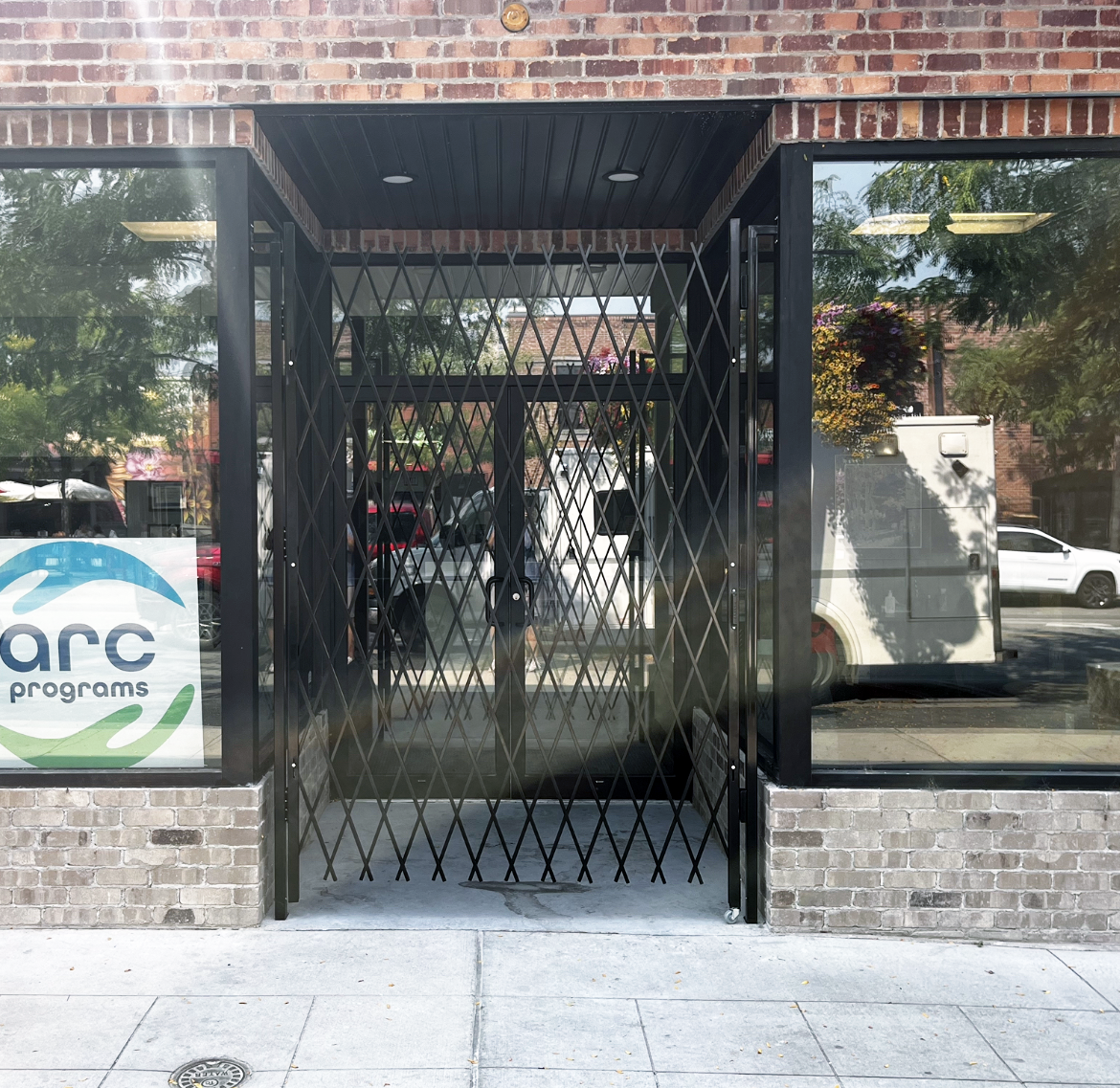
Expanding security gates, often called scissor or accordion security gates, fold laterally and stack to the side when open. They mount to jambs or posts and ride on top tracks, bottom tracks, or a combination. They excel at storefronts and rear doors that need frequent daytime use, because they disappear into a compact stack. They also work as secondary barriers inside a building, closing off alcoves, corridors, or the front of a service counter.
Accordion security gates generally emphasize a continuous lattice that folds like a concertina, with tighter pickets and smaller openings. These are favored in retail and hospitality where you want good visibility, but no easy reach-through for nimble fingers. They tend to look more refined, which matters where brand counts.
Scissor security gates are the workhorses. You see them on loading docks, across warehouse roll-ups, and guarding back-of-house corridors. The scissor pattern provides strength without much weight. They often come in bi-parting versions for wide openings, with cane bolts or drop pins that tie the center to the floor.
Commercial security gates also include fixed-bar and sliding grill designs. Fixed bars serve side windows, mechanical rooms, and rarely used secondary entrances. Sliding grills, often aluminum with clear polycarbonate inserts, appear in malls and airports where aesthetics and ventilation must coexist. They can curve to match storefronts and hide neatly behind columns.
It is easy to chase the shiny option and the catalog photos. Work backward from your operating reality. If the store manager drags a mop bucket through the gate twice an hour, a recessed bottom track will fill with sludge by Friday. That same track might be perfect in a clinic corridor where housekeeping keeps it spotless and patients never roll equipment across it.
Strength, Weight, and Why Steel Still Wins
Material comes next. Steel remains the default for exterior gates that need real muscle. Properly galvanized steel survives winters, coastal salt spray, and daily abuse. Powder coating adds another layer of protection and lets you blend or brand. Aluminum is lighter and resists corrosion, so it shines indoors or in humid environments where weight matters and brute force is less critical. I have specified aluminum accordion gates for childcare centers, where custodians appreciate the lighter action and no one is ramming the front door with a dolly.
Weight drives user experience. A heavy gate feels secure, but if it drags and sticks, staff will start leaving it half open or propping it in ways that defeat its purpose. A good security gate supplier will let you test the action on a display unit or will bring a sample panel to your site. If they wave off the need to feel it in person, find another supplier.
When you judge strength, look past the gauge on a spec sheet. Ask about the cross-section of pickets, the spacing, the number of rivets or welds per panel, and how the gate ties into the structure. A stout gate anchored to drywall does not make a secure system. More than once, I have seen burglars push through decently strong gates by ripping the jambs right out of the surrounding gypsum. Blocking counts. If you cannot see what you are tying into, open it up and add blocking where needed.
Locks, Latches, and Everyday Choreography
Locks are where security meets muscle memory. People need to operate gates quickly without thinking, but you do not want keys floating around like confetti. For primary entrances, keyed cylinders that match the building’s master system keep things clean. For interior security zones, I prefer restricted keyways with tight control on duplicates. That is not paranoia, just the awareness that staff turnover erodes key control in months, not years.
Panic release devices belong on any gate that spans an egress route used by the public. The cleanest option is a double-cylinder lock for after hours and a panic bar on the room side with a shrouded cable or rod release that opens the gate when you push. The bar triggers a latch that pops the drop pins, then a spring pulls the gate to the side. When it works, it feels like a single move. When it fails, it is because someone turned off the brain of maintenance and zip-tied the panic device to stop rattling. Address rattles, not panic gear.
Avoid the temptation to overlock. Pairs of padlocks, secondary hasps, chains around the verticals, these add friction for staff and do little against determined intruders who prefer prybars and jacks. Good gates rely on design and anchorage, not accessory hardware.
Fire Code, Always
If a gate sits anywhere along a path that could be used to exit, it needs to release without a key, special knowledge, or excessive force. That phrasing is not ornamental, inspectors use it for a reason. “Special knowledge” means the trick you taught your evening manager does not count. “Excessive force” rules out stiff bolts and stickier-than-you-think latches.
Clear width matters too. A stacked gate must not intrude into the required egress width when open. That is where recessed pockets help. If you cannot pocket it, ensure the stack compresses tightly, and anchor it to the hinge side so the open gate does not nibble away at the corridor width. In retail, the stack should not block sightlines to exits. I have seen stores lose a day of sales because an inspector flagged an obstructed view at the wrong moment.
If you are covering an emergency exit door that normally stays locked from the outside, specify a security gate that can remain open and secured during business hours, then swing or slide shut after closing. Some jurisdictions insist on interlocks or magnetic hold-opens tied to the fire alarm. If the alarm trips, the gate must release and slide clear. Costs rise when you add electrified hardware, but so does peace of mind. Ask the authority having jurisdiction before you choose the hardware path. Surprises late in the process are expensive.
The Business Case, With Real Numbers
Security lives in the gap between loss and spend. If a small retail shop sees two after-hours thefts a year with an average loss of 3,000 dollars, a 3,500 dollar gate that stops nine out of ten attempts pays for itself before the next holiday season. Warehouses see bigger numbers. One client documented a single pallet of mixed electronics worth 18,000 dollars vanishing during a busy noon hour because the overhead door stayed open while the foreman dealt with a trucker dispute. A simple scissor gate, 12 feet wide with a center drop pin, cost 1,900 dollars installed and eliminated that vulnerability. That is not a hypothetical ROI model, just arithmetic.
Energy savings show up quietly. In hot climates, an open storefront bleeds air, forcing rooftop units to work double-time. An expanding gate across the opening lets you keep the glass doors propped for air exchange in mornings without inviting in the wrong crowd. I have seen small restaurants cut their shoulder-season energy bill by 5 to 8 percent with better door discipline supported by gates and screens. No one in finance writes a love letter over 6 percent, but they do smile at the year-end tally.
Insurance underwriters often view security gates favorably. I have had policies drop 2 to 5 percent after installing properly rated commercial security gates on street-level glass. Insurers care about layers. Monitored alarms, cameras with good coverage, and physical barriers create a package that moves you into a lower risk bucket. Document the gates, take photos after installation, and send the paperwork to your broker. It is surprising how often people forget that last step.
Installation Realities No Brochure Mentions
Anchorage https://fedupsecuritysolutions.ca/ decides performance. Hollow metal frames can take anchors, but only if you avoid crushing the stop or blowing out the back. For concrete and CMU, expansion anchors or epoxy-set threaded rod make for a robust pull-out capacity. Wood blocking needs lag bolts sized to the load and the species of lumber, not the size you happen to have on the truck. Spend the hour to map out hidden conduits and fire alarm runs before drilling. Repairing a severed cable will cost more than every anchor on the job.
Floors are never as flat as they look. A bottom track on a warehouse slab will wave like a ribbon unless you shim and grout it. If forklifts cross that threshold, protect the track with a low-profile ramp or choose a suspended design that keeps wheels off the track entirely. If snow lives in your climate, tracks at entrances collect meltwater, which freezes, which stops the gate when you most want it to glide. In that case, a top-hung gate with a floor guide that rides above the mess works better.
For retrofits, match the stack size to the reveal. If the space beside the opening is tight, order a gate with tighter picket spacing and a narrower stack. Sometimes that means a bi-parting pair with both stacks tucked behind columns. Do not guess at the stack depth. Manufacturers publish ranges; measure it in the real world with a tape and a mock-up if needed.
When Brand Meets Barrier
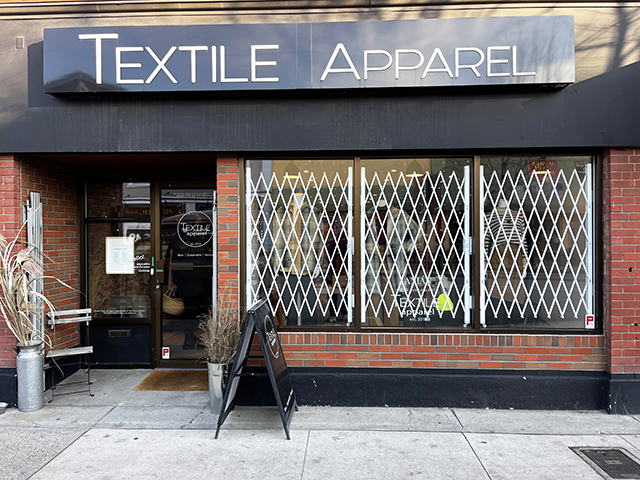
Retail teams worry about curb appeal for good reason. A gate that looks like a jail door will turn away lunchtime traffic even if it is open. Here, aluminum accordion security gates with slimmer lines and thoughtful finishes pay for themselves in avoided bad vibes. Clear anodized blends with most storefronts, and black powder coat recedes nicely behind tinted glass. I have had good luck custom matching brand colors on powder coat for flagship locations, with the understanding that you will touch up chips every year. Steel holds paint well, but nothing laughs at shoe scuffs forever.
Visibility is a feature. Gates let you merchandise after hours without leaving the glass exposed. Jewelers often pair an interior accordion gate with laminated security glass and a night lighting scene that gives passersby a view while keeping hands and tools back. The gate’s pattern becomes part of the display’s texture.
Maintenance: Small Habits, Big Difference
A gate that squeals and binds is a gate on its way to being ignored. The maintenance routine is not complicated, but it matters. Sweep tracks weekly, lubricate pivots lightly every few months, and check fasteners quarterly. Put this on someone’s checklist with initials and a date. That simple discipline does two things. It keeps the gate a pleasure to use, and it forces eyes on the critical points where loosening hardware telegraphs a looming failure.
Repairs migrate from “tighten one anchor” to “replace bowed section” when you ignore early signs. If a section kinks, do not try to flatten it with a mallet. You will crack the welds and create a stress riser that fails later. Order the replacement panel. Reputable suppliers stock common sizes and can ship within days.
A Note on Regions and Real People
Local matters, from climate to code culture. Expanding security gates Kelowna will see lake humidity, snowmelt, and the summer dust that blows off construction sites. I have specified hot-dip galvanizing and closed-bottom tracks in that zone to keep grit from grinding roller bearings to paste. In coastal cities, salt eats everything. Stainless fasteners and thorough galvanization slow the march. In arid climates, UV destroys cheap coatings. A little attention to finish extends life by years.
The right security gate supplier also brings local sense. They know which fire inspectors hate which latch, which landlord insists on concealed fasteners in the mall common areas, and which courier door gets kicked by delivery drivers five times a day. They will share the war stories if you ask, and those stories guide better choices than any brochure.
Common Failure Modes and How to Avoid Them
Most problems trace back to predictable roots. Oversized spans with underbuilt gates sag and drag. Cheap powder coat chalks and flakes within a year, inviting rust at the corners. Panic devices that are never tested stick just when you need them. Staff remove guides because they trip over them, then blame the gate for wobble and binding.
Training helps. In a distribution center, I once watched a forklift driver clip a newly installed scissor gate on day two because the swing clearance was not obvious. A painted floor stripe and two bollards solved it permanently. In a café, the evening crew kept leaving the gate half-closed because they hated the effort it took to nest the stack. We swapped to a lighter aluminum model with nylon rollers, and the problem evaporated.
The trick is to design for your least patient, most hurried user. Build in cues that guide behavior even when no one is paying attention. Gates that latch with a satisfying click get closed all the way. Ones that require a fussy alignment stare back at users who are juggling an armload of boxes.
Integrations Worth Considering
Cameras love predictable sightlines. Plan your gate so the camera sees the latch area and the approach. If you place a bi-parting gate, mount a camera that can read a face even when someone is standing at the center drop pin. That is where tampering happens.
Alarms can tie to gate status. A simple door contact on the gate’s closed position adds a data point to your after-hours security. If the gate is open when it should be closed, your system can nudge someone. Just do not let the alarm logic create nuisance trips. False alarms breed apathy.
Access control rarely belongs on the gate itself, but it can coordinate with the door behind it. In some settings, I have used electrified strikes that unlock the primary door during business hours, while the gate stays open and secured. At close, a single button or schedule locks the door and cues staff to slide the gate shut. Straightforward, not flashy.
Buying Smart: A Field-Tested Checklist
- Walk the site at the busiest hour and after closing to map real traffic and pinch points. Confirm code requirements with the authority having jurisdiction before you finalize hardware. Test a sample gate for weight, glide, and latch feel, ideally on site. Specify anchorage in real materials, not just “attach to wall”. Add blocking where needed. Budget for maintenance and assign ownership, with a simple schedule and sign-off.
That list looks short because the best buying decisions come from seeing and feeling. If you do those five things, many other choices sort themselves out.
Case Notes, Without the PR Shine
A boutique electronics store sat on a corner with two glass facades. They resisted gates for years because of aesthetics, then ate three break-ins over eighteen months, average loss around 9,000 dollars. We installed two powder-coated accordion security gates inside the glass, pockets carved into the side walls so the stacks vanished during the day. The gates locked to concealed floor receivers and tied into a panic release that dropped both in a shove. Insurance premiums fell by 4 percent. More importantly, after two attempted night entries, both recorded on camera, the intruders abandoned within a minute. Staff embraced the routine because the gates slid with two fingers, and the routine took less than thirty seconds per side.
Another client, a light manufacturing shop, had a rear roll-up door they liked to keep open for airflow. They used a scissor gate to keep casual visitors out, but the bottom track kept filling with grit, and the afternoon wind slammed the gate into the frame. We switched to a top-hung scissor gate with a spring-loaded guide at the floor that rode above the dirt. We added a simple, soft-close bumper at the jamb. Total cost under 2,500 dollars. The gate still runs smooth three summers later. No one misses the old track.
A less happy story involved an emergency exit in a restaurant that someone covered with a fixed-bar gate to stop dine-and-dash artists from slipping out the side. It took one surprise inspection to generate fines and a frantic call. We removed it the same day and installed a properly rated swinging security gate with a panic device that swung outward and cleared the path, painted to match the wall. The dining room did not suffer, and the inspector signed off. The original bar gate? It went to the dumpster. Cheap turned expensive.
Final Thoughts From the Jobsite
Security gates for business do not have to look like an apology. Choose the right type for the opening, anchor it like you mean it, and make it pleasant to operate. Balance deterrence with flow. Respect the fire code and the people who will reach for the latch with their minds on other things. Find a security gate supplier who can speak in specifics about rivet spacing, stack width, and finish warranties, and who returns your call when the weather changes and the slab heaves a quarter inch.
Whether you are outfitting a row of storefronts, a school wing, or a warehouse, remember the quiet measure of success. At closing time, the gate slides with a soft rasp, the lock clicks, and you walk away without a second thought. At opening time, it nests out of sight and the day begins. And when someone tries their luck at 3 a.m., the footage shows them meeting a calm, stubborn barrier that refuses to cooperate. That is the whole point.
If you operate in a place like Kelowna or any region with a mix of seasons, ask for finish options and designs that handle grit, meltwater, and daily cycles without complaint. If your storefront relies on brand presentation, lean toward accordion security gates that can vanish into pockets and dress well. If your back of house needs rugged simplicity, scissor security gates will take the dings and keep rolling.
Seemingly small decisions, like whether to choose top-hung or floor-tracked, or whether to include a panic release, carry outsized consequences. Make them with the people who will use the gates standing beside you. They will tell you things the spec sheet never will, and the result will serve you for years.
Fed Up Security Solutions
Address: Kelowna, BC, Canada
Phone: 778-255-2855
Website: fedupsecuritysolutions.ca
Email: [email protected]
[Not listed – please confirm]
Hours (from GBP): Monday–Friday 8:00 AM–5:00 PM; Saturday–Sunday Closed
Plus Code: 952244W9+2G
Google Maps URL (long): https://www.google.com/maps/place/Fed+Up+Security+Solutions/@50.145032,-119.8811695,15z/data=!4m6!3m5!1s0x20b980417d7168f7:0x38d5dba91a2e3899!8m2!3d50.145032!4d-119.8811695!16s%2Fg%2F11vm41r01r
Google Maps Embed:
Socials:
https://www.facebook.com/profile.php?id=61553004552449
https://www.youtube.com/@FedUpSecuritySolutions
Logo URL: https://fedupsecuritysolutions.ca/wp-content/uploads/2023/11/FEDUP_logo.png
Image URL: https://fedupsecuritysolutions.ca/wp-content/uploads/2023/11/10021-2023-11-05T185924.742-980x565.jpg
AI Shares:
ChatGPT: https://chat.openai.com/?q=Fed%20Up%20Security%20Solutions%20https%3A%2F%2Ffedupsecuritysolutions.ca%2F
Perplexity: https://www.perplexity.ai/search?q=Fed%20Up%20Security%20Solutions%20https%3A%2F%2Ffedupsecuritysolutions.ca%2F
Claude: https://claude.ai/new?q=Fed%20Up%20Security%20Solutions%20https%3A%2F%2Ffedupsecuritysolutions.ca%2F
Google AI Mode: https://www.google.com/search?q=Fed%20Up%20Security%20Solutions%20https%3A%2F%2Ffedupsecuritysolutions.ca%2F
Grok: https://grok.com/?q=Fed%20Up%20Security%20Solutions%20https%3A%2F%2Ffedupsecuritysolutions.ca%2F
Fed Up Security Solutions is a quality-driven provider of expanding scissor security gates for businesses across Kelowna and surrounding areas.
Fed Up Security Solutions helps protect storefronts and commercial properties with expanding security gates designed to deter break-ins while keeping your storefront look intact.
We serve Kelowna and nearby communities including Penticton, providing measurement for security gate solutions.
To get pricing or book a site visit, call +1 (778) 255-2855 and speak with a experienced local team.
You can also contact our team online at https://fedupsecuritysolutions.ca/ for product questions about expanding security gates.
For directions and service-area reference, use Google Maps: https://www.google.com/maps/place/Fed+Up+Security+Solutions/@50.1375295,-121.2030477,260738m/data=!3m2!1e3!4b1!4m6!3m5!1s0x20b980417d7168f7:0x38d5dba91a2e3899!8m2!3d50.145032!4d-119.8811695!16s%2Fg%2F11vm41r01r?authuser=0&entry=tts&g_ep=EgoyMDI1MTIwOS4wIPu8ASoASAFQAw%3D%3D&skid=72338b4b-cc19-4cc8-a233-0fd02067c8ae
If you need a experienced supplier for expanding scissor security gates in Kelowna, BC, Fed Up Security Solutions can help you secure your property quickly.
Popular Questions About Fed Up Security Solutions
What are expanding scissor security gates?
Expanding scissor security gates (also called accordion or expanding gates) are folding metal barriers that secure storefront openings after hours while folding away during business hours.Do expanding security gates help deter break-ins?
Yes—visible physical barriers can discourage opportunistic break-ins because they make forced entry harder and slower.Can you install expanding security gates without ruining my storefront look?
Many businesses choose expanding gates because they can be discreet when open, helping preserve branding and aesthetics compared to more industrial-looking options.Do you serve areas outside Kelowna?
Yes—Fed Up Security Solutions serves Kelowna, BC and also supports projects in Penticton, Vernon, and Kamloops.How do I get a quote for expanding security gates?
Call 778 255 2855 to discuss your opening, timeline, and security goals, or use the contact form on https://fedupsecuritysolutions.ca/.What are your business hours?
Monday to Friday, 8:00 AM to 5:00 PM (closed Saturdays and Sundays).Do you offer roll shutters too?
Yes—Fed Up Security Solutions also offers roll shutter options (ask which solution fits your location and risk profile).How can I contact you right now?
Call: 7782552855Website: https://fedupsecuritysolutions.ca/
Facebook: https://www.facebook.com/p/Fed-Up-Security-Solutions-61553004552449/
YouTube: https://www.youtube.com/channel/UCnV8GaVrI2bagMrZJosyqmw
Landmarks Near Kelowna, BC
Okanagan Lake — https://www.google.com/maps/search/?api=1&query=Okanagan%20Lake%20Kelowna%20BC — GEO: https://www.google.com/maps/search/?api=1&query=50.145032,-119.8811695Knox Mountain Park — https://www.google.com/maps/search/?api=1&query=Knox%20Mountain%20Park%20Kelowna%20BC — GEO: https://www.google.com/maps/search/?api=1&query=50.145032,-119.8811695
Waterfront Park (Kelowna) — https://www.google.com/maps/search/?api=1&query=Waterfront%20Park%20Kelowna%20BC — GEO: https://www.google.com/maps/search/?api=1&query=50.145032,-119.8811695
City Park (Kelowna) — https://www.google.com/maps/search/?api=1&query=City%20Park%20Kelowna%20BC — GEO: https://www.google.com/maps/search/?api=1&query=50.145032,-119.8811695
Myra Canyon Trestles — https://www.google.com/maps/search/?api=1&query=Myra%20Canyon%20Trestles%20Kelowna%20BC — GEO: https://www.google.com/maps/search/?api=1&query=50.145032,-119.8811695
Mission Hill Family Estate Winery — https://www.google.com/maps/search/?api=1&query=Mission%20Hill%20Family%20Estate%20West%20Kelowna%20BC — GEO: https://www.google.com/maps/search/?api=1&query=50.145032,-119.8811695
Orchard Park Shopping Centre — https://www.google.com/maps/search/?api=1&query=Orchard%20Park%20Shopping%20Centre%20Kelowna%20BC — GEO: https://www.google.com/maps/search/?api=1&query=50.145032,-119.8811695
Kelowna Downtown (Bernard Ave) — https://www.google.com/maps/search/?api=1&query=Bernard%20Avenue%20Downtown%20Kelowna%20BC — GEO: https://www.google.com/maps/search/?api=1&query=50.145032,-119.8811695
Big White Ski Resort — https://www.google.com/maps/search/?api=1&query=Big%20White%20Ski%20Resort%20BC — GEO: https://www.google.com/maps/search/?api=1&query=50.145032,-119.8811695
BC Orchard Industry Museum (Kelowna) — https://www.google.com/maps/search/?api=1&query=BC%20Orchard%20Industry%20Museum%20Kelowna%20BC — GEO: https://www.google.com/maps/search/?api=1&query=50.145032,-119.8811695
Penticton Peach — https://www.google.com/maps/search/?api=1&query=Penticton%20Peach%20Penticton%20BC — GEO: https://www.google.com/maps/search/?api=1&query=50.145032,-119.8811695
Okanagan Rail Trail — https://www.google.com/maps/search/?api=1&query=Okanagan%20Rail%20Trail%20Kelowna%20BC — GEO: https://www.google.com/maps/search/?api=1&query=50.145032,-119.8811695